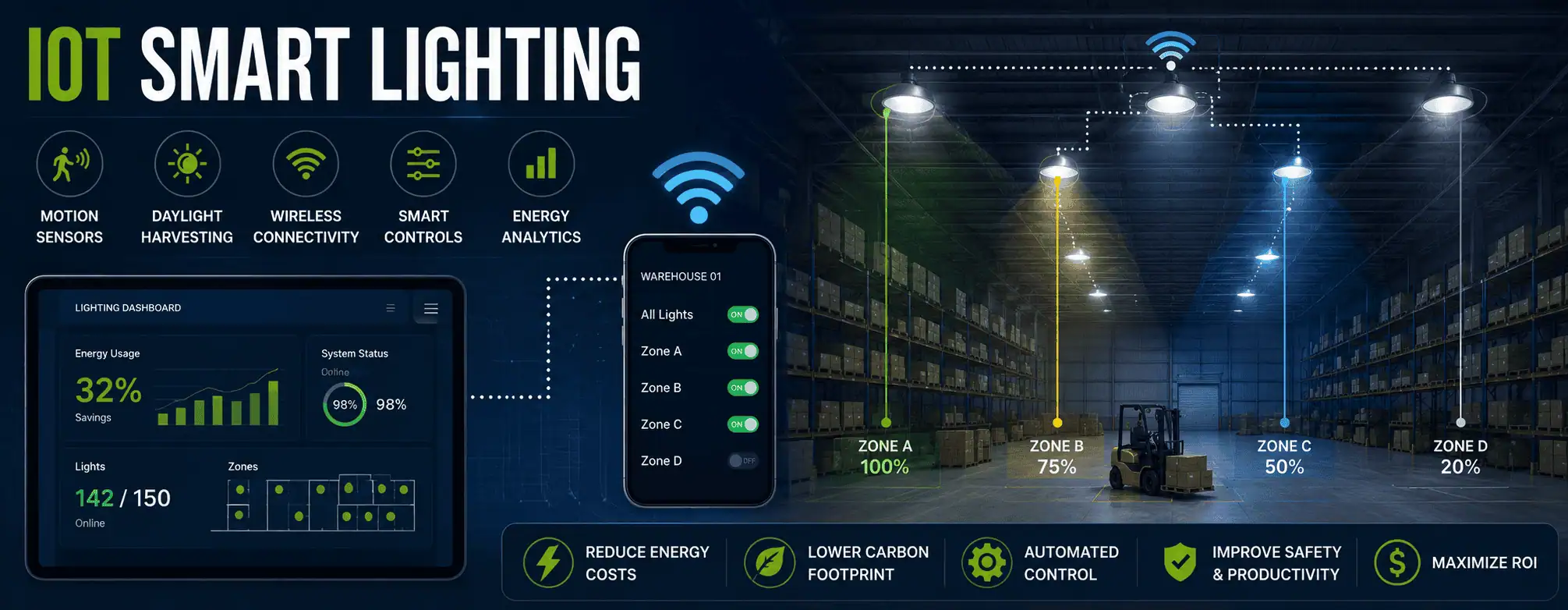
Adding Solar Lighting and Smart Controls for Energy Efficiency
November 21, 2025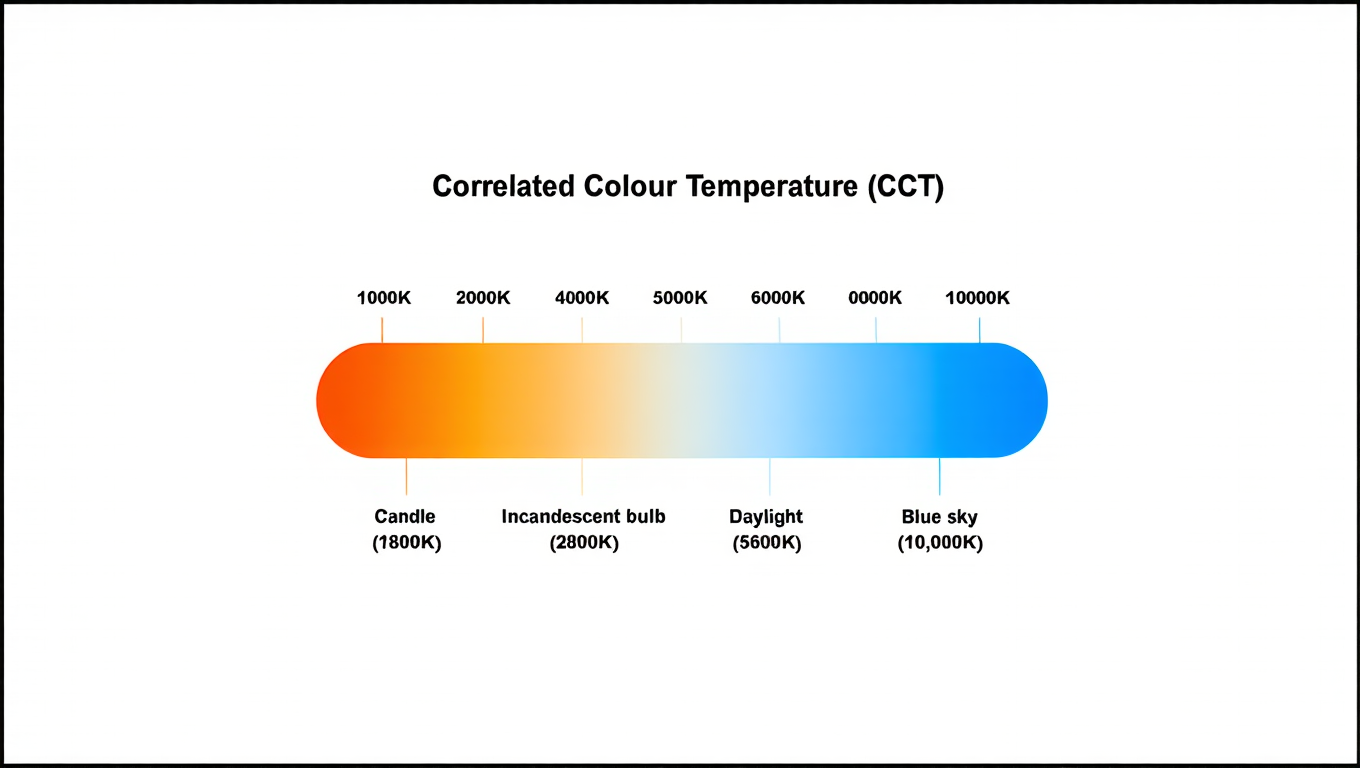
What is Correlated Colour Temperature (CCT)
December 8, 2025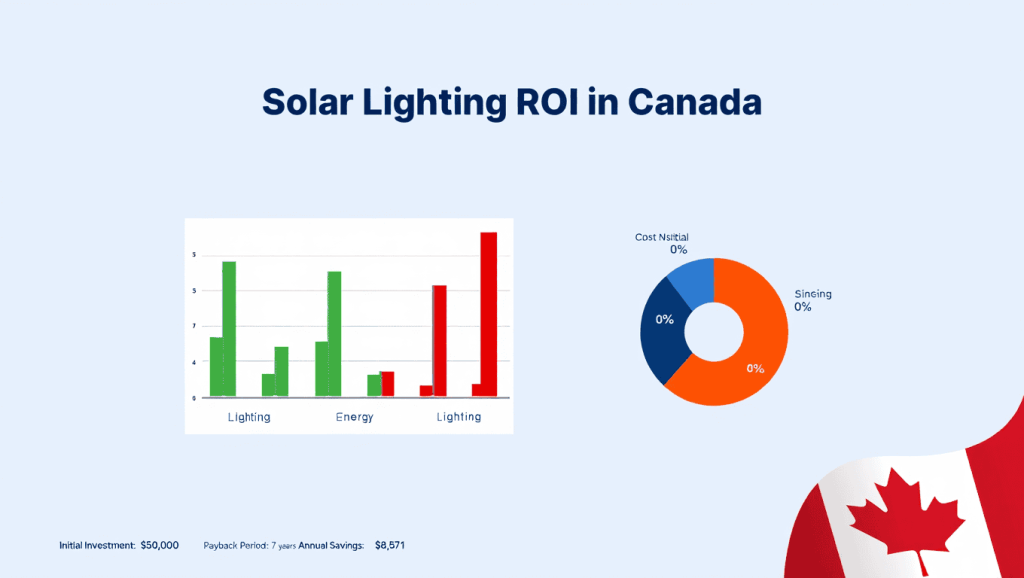
When property managers or developers consider switching to solar lighting, the first thought is often “it’s expensive.” While solar systems do have higher upfront costs than traditional grid-powered lights, these costs are now being offset more quickly through energy savings, lower maintenance, and powerful new federal tax credits.
Looking Beyond the Upfront Cost: Solar Lighting ROI in Canada (Updated)
Whether you’re managing a commercial plaza, industrial park, or large parking facility, understanding the comprehensive return on investment (ROI) helps justify the transition from a cost and sustainability perspective.
1. The Initial Investment (CapEx) – Updated Costs
Your capital expenditures cover the initial cost of the solar lighting unit, including the fixture, photovoltaic panel, battery, and pole, plus installation labor.
| Component | 2025 Typical Range (CAD per unit) | Notes on Changes |
| Commercial-Grade Fixtures | $1,400 to $3,200 | Costs have stabilized or slightly dropped due to component availability and manufacturing efficiency. |
| Industrial/High-Mast Systems | $3,800 to $5,800 | High-output systems remain at the high end, reflecting advanced battery capacity and smart features. |
| Installation & Labor | $500 to $900 | Installation remains quick and non-disruptive, typically saving 40-60% compared to grid-tied lights. |
Example: For a 10-unit parking lot installation, total CapEx might be roughly $28,000–$38,000 CAD (including fixtures and labor).
2. Operational Savings (OpEx) – The Growing Advantage
Once installed, the operational savings accelerate the payback period dramatically.
- $0 Electricity Cost: The biggest saving. Each solar light is completely off-grid.
- Updated Calculation: A typical 100W LED streetlight running 12 hours a day consumes about 438 kWh per year. With current blended commercial rates in major provinces often exceeding $0.20–$0.25 per kWh (when factoring in delivery and charges), the annual saving per light is now often $85–$110 CAD (up from the previous $65–$85 estimate).
- Eliminating Trenching & Wiring: Traditional systems require trenching, conduit, and electrical permits—a cost that solar lighting eliminates entirely, saving an estimated $1,500–$3,500 CAD per fixture in upfront civil work.
- Reduced Maintenance: Solar LEDs are long-lasting (50,000+ hours). Routine maintenance costs are typically 50–70% lower than conventional systems, with battery replacements only required every 5–7 years.
3. Factoring in Government Incentives: The Game-Changer
Federal tax programs, in particular, have significantly de-risked and accelerated the financial returns for businesses.
| Program | Type | Benefit for Solar Lighting | Impact on ROI |
| Clean Technology Investment Tax Credit (CT-ITC) | Federal Refundable Tax Credit | Up to 30% refundable tax credit on the capital cost of the system (solar panels and batteries). | Directly reduces net CapEx by up to 30%, drastically shortening the payback period. |
| Accelerated Capital Cost Allowance (ACCA) | Federal Tax Write-Off | Solar energy equipment (Class 43.1/43.2) allows for an accelerated write-off of the system’s capital cost against taxable income. | Allows businesses to recover investment costs faster by reducing income tax liability in the early years. |
| Provincial Programs | Rebates/Grants | Programs like IESO Save on Energy (Ontario), Alberta’s Energy Savings for Business (ESB) (if still active), or BC Hydro Rebates may offer additional, direct rebates. | Varies by location but can add an additional 5–15% reduction to the net cost. |
Factoring in the new federal CT-ITC alone can reduce your net upfront investment by 30% or more.
4. The ROI Formula: A Modernized Calculation
The financial case is strongest when considering all factors, including the new tax benefits.
4. The ROI Formula: A Modernized Calculation
The financial case is strongest when considering all factors, including the new tax benefits.
Simple Payback Period Formula:
Payback Period = (Total Initial Investment – Total Incentives or Tax Credits) / Annual Savings (Energy + Maintenance)
| Parameter | Updated 2025 Estimate (10 Lights) |
| Initial Cost (CapEx) | $35,000 CAD |
| CT-ITC Tax Credit (30% of CapEx) | -$10,500 CAD |
| Provincial Rebate Estimate | -$2,000 CAD |
| Adjusted Net Investment | $22,500 CAD |
| Annual Energy Savings (10 lights @ $100/light) | $1,000 CAD/year |
| Annual Maintenance Savings Estimate | $500 CAD/year |
| Total Annual Savings | $1,500 CAD/year |
- The Caveat: This calculation is still conservative because it excludes the massive avoided trenching/wiring costs and the tax value of the ACCA.
- The Reality Check: When a full financial model includes the upfront civil work savings (e.g., $15,000 avoided CapEx) and the immediate 30% tax credit, the real payback period for a comprehensive solar lighting project in Canada typically falls into the 6–10 year range, with some projects achieving even faster returns.
Payback Period = $22,500 / $1,500 = 15 years
5. Conclusion: A Long-Term Investment in Savings and Sustainability
For commercial and industrial property owners in Canada, solar lighting in 2025 is no longer just an environmental decision; it is a strategic financial investment.
The new Clean Technology Investment Tax Credit (CT-ITC), combined with rising energy prices and the significant elimination of civil work costs (trenching/wiring), solidifies solar lighting’s position as a low-risk, high-return upgrade.
As energy prices continue to climb, every year after the payback period translates directly into pure profit and greater long-term asset value.