Ultimate Guide to LED Flood Lights
November 18, 2025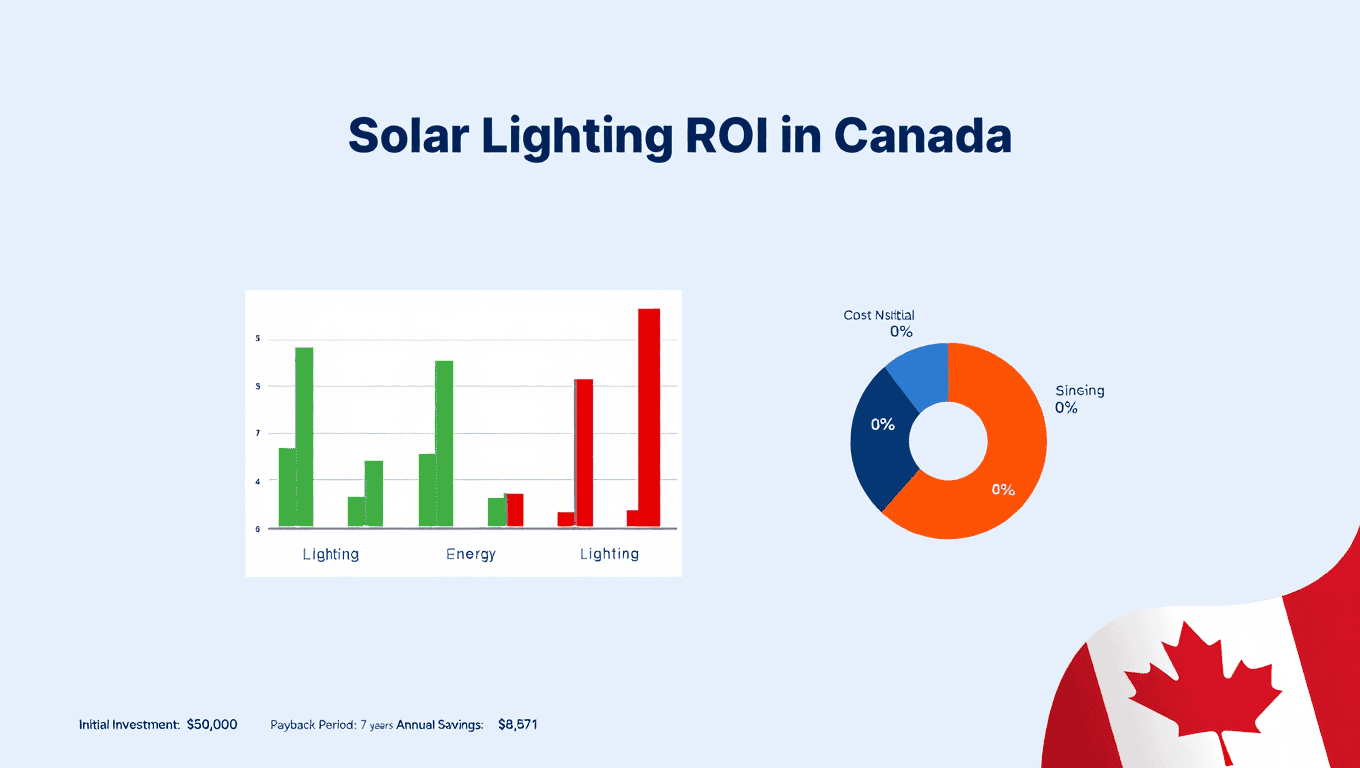
Calculating the ROI of Solar Lighting for Commercial Properties
November 28, 2025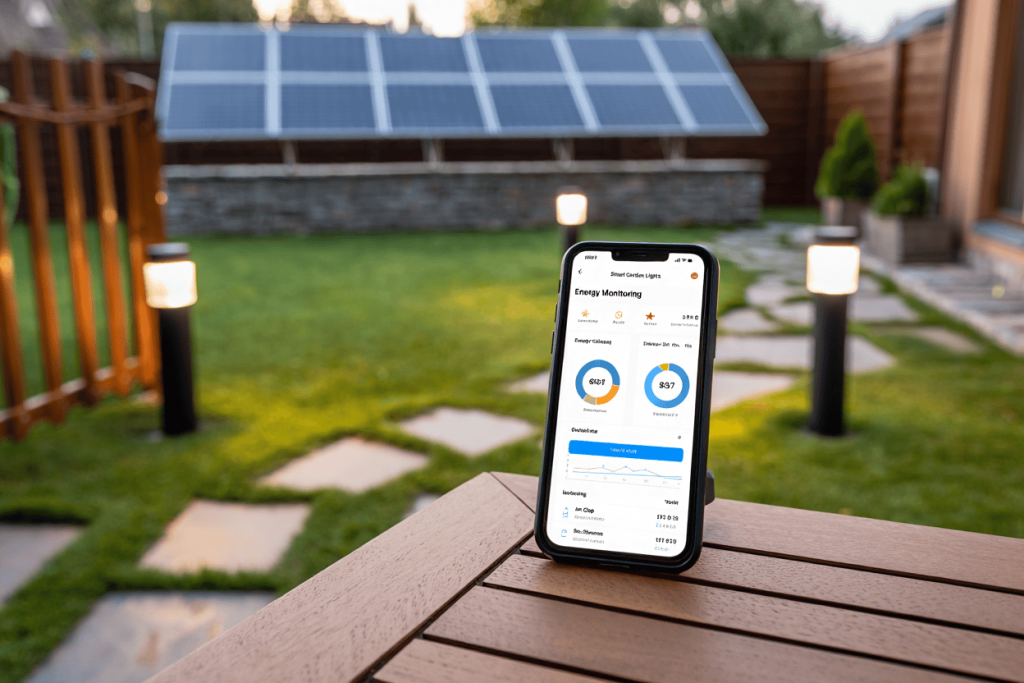
As energy costs continue to rise and sustainability becomes a top priority, building owners and homeowners are seeking smarter ways to illuminate their spaces efficiently. Integrating solar lighting with smart controls is an innovative solution that not only reduces energy consumption but also offers convenience, flexibility, and long-term cost savings. By combining renewable energy with intelligent automation, buildings can achieve optimal lighting performance while minimizing environmental impact.
Understanding Solar Lighting Technology
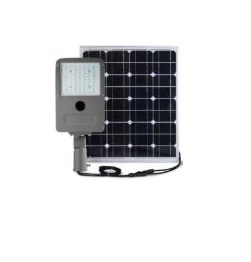
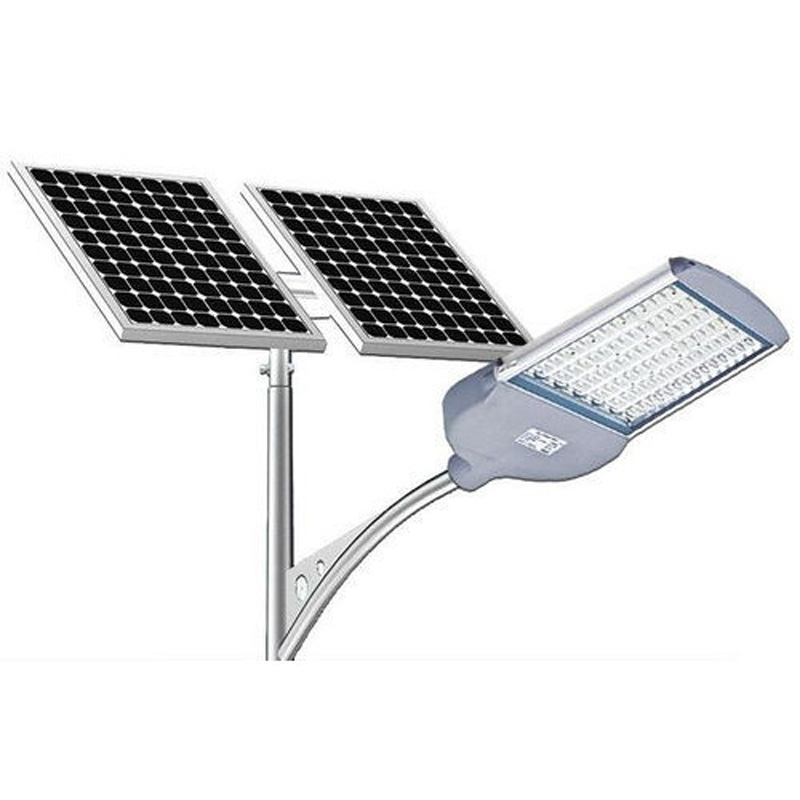
Solar lighting technology harnesses the power of the sun to generate electricity, reducing reliance on traditional power grids. At the core of these systems are solar panels or photovoltaic (PV) systems, which convert sunlight into electrical energy.
A typical solar lighting system includes:
| Component | Function |
| Solar Panels | Capture sunlight and convert it into electricity |
| Batteries | Store energy for night-time or cloudy-day use |
| LED Fixtures | Provide efficient, long-lasting illumination |
| Controllers | Manage energy flow and automated schedules |
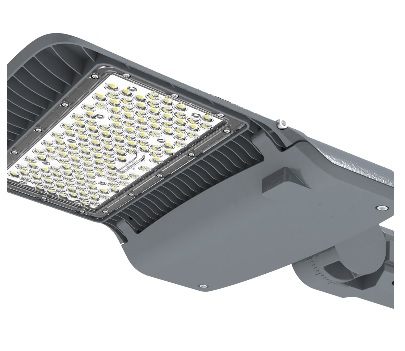
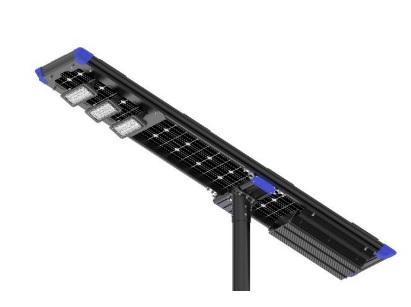
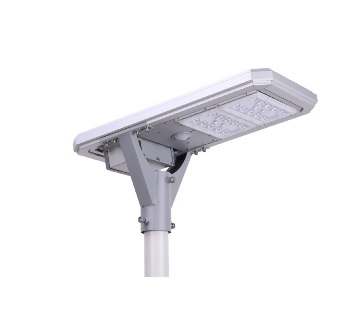
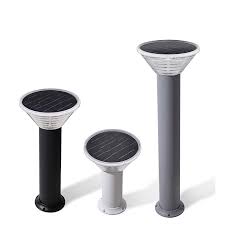
Modern commercial-grade solar lighting solutions, such as those offered by Faraday Lighting, provide durable and high-performance options suitable for parking lots, streets, and commercial properties.
Benefits of Smart Controls in Lighting Systems
Incorporating smart controls into lighting systems maximizes energy efficiency and simplifies management. Key benefits include:
- Energy savings: Automated schedules and dimming reduce unnecessary power consumption.
- Convenience: Control lights remotely through apps or centralized systems.
- Enhanced functionality: Adjust brightness, color, and timing based on occupancy or natural light levels.
Pro Tip: Combining solar lighting with smart controls amplifies savings and ensures reliable lighting without overconsumption.
With smart controls, building managers can automate lighting in line with usage patterns, ensuring energy is only used when needed, driving down operational costs.
How IoT is Revolutionizing Energy Management
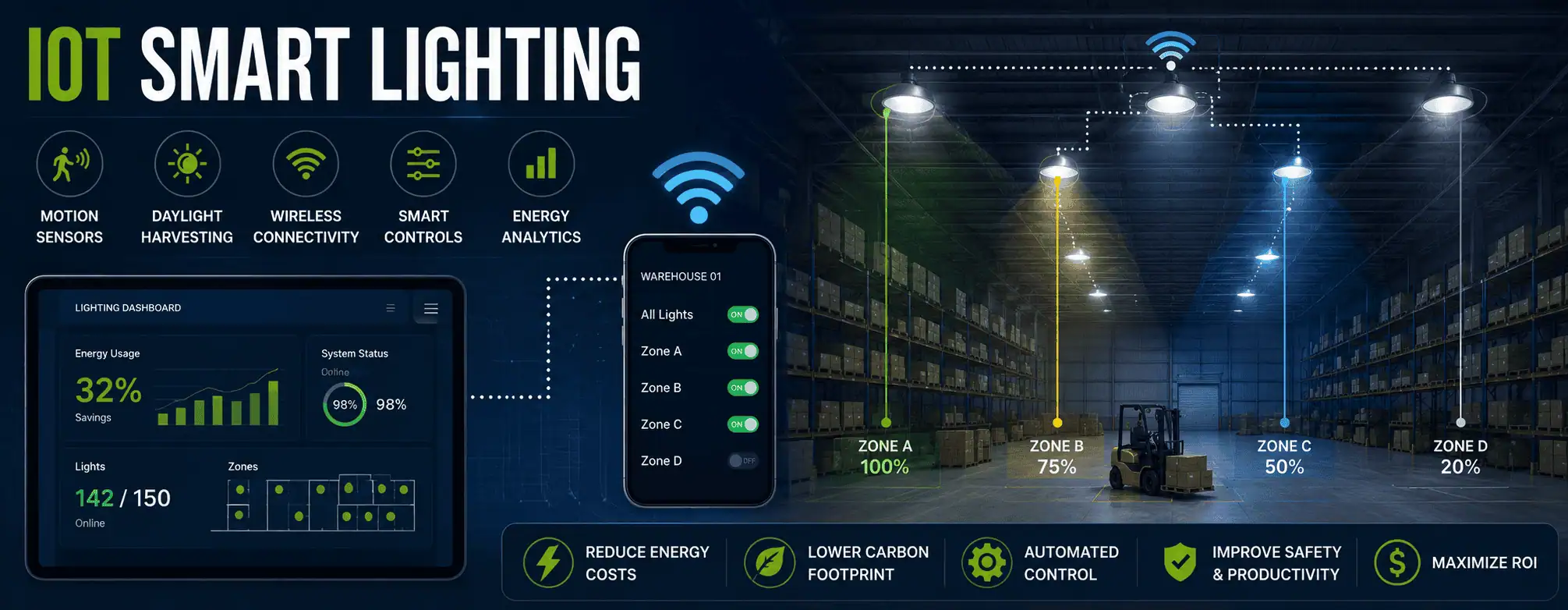
The Internet of Things (IoT) is transforming the way buildings manage energy. Connected devices provide real-time monitoring and analytics, enabling smarter decision-making. For instance:
- Sensors detect occupancy and adjust lighting accordingly.
- Energy consumption data helps identify inefficiencies.
- Integration with HVAC and other building systems optimizes overall energy usage.
IoT-enabled smart buildings use these insights to reduce waste, increase operational efficiency, and support sustainability goals, making IoT energy management a cornerstone of modern infrastructure.
Integrating Solar Lighting with Home Automation Systems
For residential properties or smart offices, integrating solar lighting into home automation systems can maximize efficiency:
- Link solar lights to platforms like Google Home, Amazon Alexa, or custom building automation systems.
- Automate lighting schedules based on sunrise, sunset, or occupancy.
- Enable remote control to manage lighting even when away from the property.
Tip: Ensure your solar lights support smart integration for maximum efficiency.
This seamless solar integration ensures your smart home technology is both energy-efficient and highly responsive to real-world usage.
The Role of Sensors in Smart Lighting Systems
Sensors are critical to the functionality of smart lighting systems. By detecting motion, ambient light, or occupancy, they ensure lights are used efficiently:
| Sensor Type | Function | Benefit |
| Motion Sensor | Detects movement | Reduces unnecessary usage |
| Ambient Light Sensor | Measures natural light | Adjusts brightness automatically |
| Occupancy Sensor | Detects presence in a room/area | Maximizes efficiency |
Using advanced lighting sensors enhances both safety and energy savings, allowing buildings to optimize their lighting infrastructure intelligently. Case Studies of Successful Solar Lighting Implementations
Several organizations have successfully combined solar lighting with smart controls to achieve impressive results:
- Commercial Parking Lots: Companies report up to 70% reduction in energy costs by installing solar-powered LED lights with automated schedules.
- Residential Communities: Smart solar streetlights maintain consistent illumination while reducing reliance on municipal electricity.
- Public Parks: Motion-activated solar lighting enhances safety while conserving energy during low-traffic hours.
These solar lighting case studies demonstrate that adopting smart, solar-powered solutions can deliver measurable energy efficiency examples for a variety of settings.
Regulatory Considerations for Solar Lighting Installations
Before installing solar lighting systems, it’s essential to understand solar lighting regulations and building codes. Compliance ensures safety, performance, and legal operation:
- Adhere to local electrical and zoning codes.
- Use certified components that meet safety standards.
- Consider environmental regulations for outdoor installations.
Following proper installation standards not only ensures longevity but also mitigates potential legal or operational risks.
Energy Storage Solutions for Solar Lighting Systems
Energy storage is crucial for consistent performance of solar lighting systems. Options include:
- Lithium-ion batteries: High efficiency, long lifespan.
- AGM (Absorbent Glass Mat) batteries: Reliable and maintenance-free.
- Hybrid systems: Combine solar and grid power for uninterrupted service.
Choosing the right solar batteries or hybrid systems ensures lighting is available even during cloudy days or extended low-sunlight periods, maintaining reliability and efficiency.
Cost-Benefit Analysis of Solar Lighting Systems
Investing in solar lighting involves weighing initial costs against long-term savings:
| Factor | Solar Lighting | Traditional Lighting |
| Initial Cost | Higher | Lower |
| Maintenance | Minimal | Frequent replacements |
| Energy Savings | High | Limited |
| ROI Timeline | 3–6 years (depending on scale) | N/A |
A proper cost-benefit analysis often shows that while the initial investment may be higher, solar lighting costs are offset over time through lower energy bills and minimal maintenance, delivering a strong energy savings analysis.
Future Trends in Solar Lighting and Smart Controls
The future of solar lighting is bright, driven by technological innovations:
- Advanced smart control trends like AI-driven energy optimization.
- Increased efficiency in photovoltaic systems.
- Integration with other energy technology innovations, such as battery storage networks and IoT-enabled energy grids.
Buildings adopting these technologies are prepared to maximize sustainability, cost efficiency, and automation benefits.
Conclusion
Combining solar lighting technology with smart controls offers a powerful strategy for energy-efficient building management. From commercial parking lots to residential smart homes, this integration enhances sustainability, reduces costs, and supports smarter energy management. Explore high-performance solutions at Faraday Lighting’s Commercial Grade Solar Lighting to start transforming your energy strategy today.